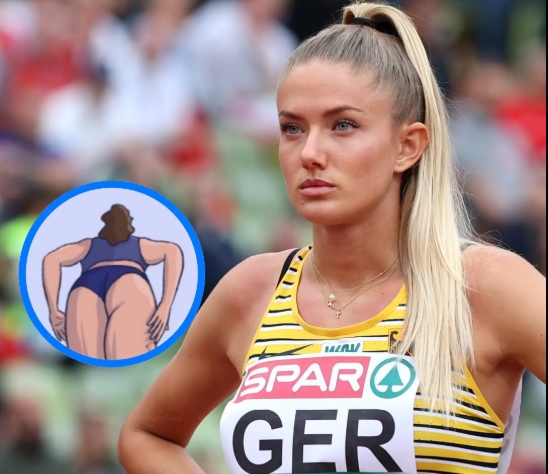
The document is titled ‘Raising the Bar: Guidelines for respectful media coverage in women’s athletics’. The guidelines explain how low cameras, tight close-ups, and selected replays can show athletes in revealing positions without adding useful detail to the sporting coverage.
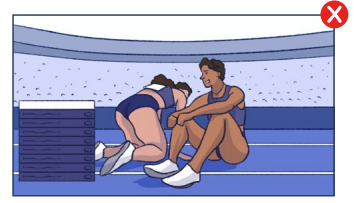
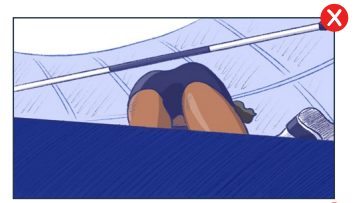
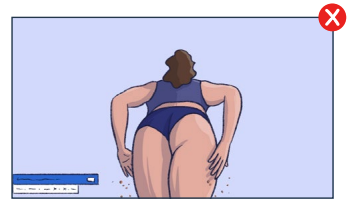
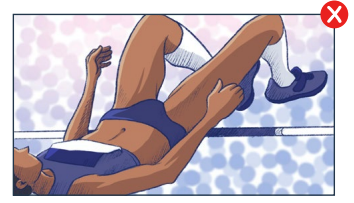
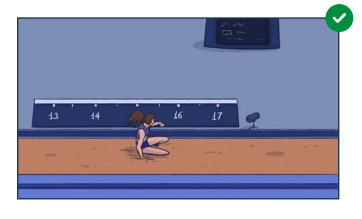
Its illustrations compare encouraged and discouraged choices across women’s athletics. The negative examples include filming an athlete while she bends over, positioning a camera below a high jumper, using a low rear view, and holding a close shot on an awkward landing position.
The document offers guidance rather than a complete camera ban
Although the examples have been described as banned angles, the EBU presents them as practical guidance for broadcast teams. The aim is not to hide athletes’ bodies, reduce the number of cameras, or make competitions harder to follow.
Directors are instead being asked to consider whether each shot helps viewers understand speed, power, timing, or technique. When a close-up offers no sporting value and only draws attention to part of an athlete’s body, the guidance recommends choosing another view.
The same event can still be shown from several positions. Wider side angles, front-facing shots, and views of the approach or takeoff can reveal more about a performance while reducing the chance that an athlete becomes the subject of a revealing screenshot.
Killane said broadcasters should keep the athletes’ skill and work at the center of the coverage. A camera angle should be selected because it explains the competition, not because it may produce a suggestive or revealing frame.
The concern also covers editing choices. An angle that appears for a moment during live action may become more intrusive when it is cropped, slowed down, or shown several times after its technical value has ended.
One illustration shows an athlete bending over close to a seated competitor while the camera points toward her from behind. The scene may happen as athletes recover, talk, adjust equipment, or prepare between attempts, but the tight position makes the bent-over athlete’s body the main focus.
A wider frame or a view from the side could still show both competitors and their interaction without creating a compromising image. The example shows why camera crews need to think about athletes’ movements even during the quiet moments between events.
The angle becomes more intrusive if the footage is replayed in slow motion or held on screen as the athlete clears the bar. A split-second position can then become a lasting image that may be copied and shared away from the competition.
A wider side view can still show the approach, takeoff, height over the bar, and landing. It gives viewers more technical information without pointing the camera beneath the athlete.
Athletes often turn away from cameras, bend down, stretch, or adjust their uniforms during competition. Camera operators cannot predict every movement, but they can widen the view, move to the side, or switch cameras when the shot no longer serves the sport.
The guidance does not ask broadcasters to avoid full-body footage. It asks them not to remain on a tight rear angle when another camera could show more of the athlete’s actual performance.
Directors can keep the whole mat and bar visible or cut away once the useful part of the replay has been shown. Viewers can still see whether the athlete cleared the bar and how she landed without the camera holding on an awkward body position.
The problem is not that the landing happened. It is the choice to isolate and repeat the most compromising frame when it adds no explanation of why the attempt succeeded or failed.
Reaction on social media has been divided. Some users questioned whether broadcasters can avoid every uncomfortable frame when athletes wear fitted clothing and take part in events that involve bending, jumping, landing, and stretching.
“So no more sports just headshots of females probably playing sports,” wrote one person on X, while another added: “Why not give female athletes proper shorts instead?”
The guidance does not place responsibility on athletes’ uniforms
Some online comments suggested that women should wear different clothing instead. The EBU’s recommendations focus on decisions made by broadcasters because athletes need uniforms that allow them to run, jump, and move without unnecessary restriction.
A compromising frame can also be created regardless of whether someone wears briefs, fitted shorts, or a fuller uniform. A camera placed low and directly behind an athlete may still produce an intrusive shot, especially when the footage is zoomed in or slowed down.
The suggested solution is to improve how the competition is filmed. Production teams can show the full movement while avoiding close views of athletes during private, tired, or awkward moments before and after an attempt.
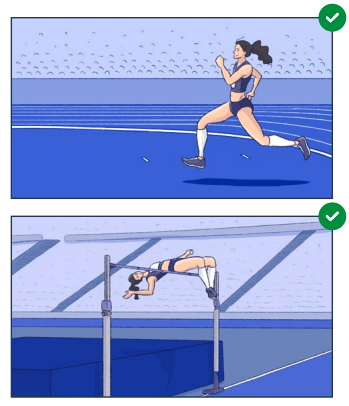
The positive examples show that respectful coverage does not mean limiting broadcasts to athletes’ faces. One illustration uses a full-body side view of a runner, allowing viewers to see her stride, posture, speed, and movement along the track.
A second example shows a high jumper from the side as she passes over the bar. That position captures the shape and height of the jump without placing the camera below her body.
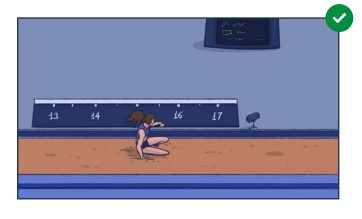
That angle lets viewers see where the athlete first touched the sand, which matters when officials measure the attempt. It also avoids a tight rear view as she finishes the landing and begins to stand.
Broadcasters can then move to a closer face shot if they want to capture her reaction. There is no need to zoom in from behind while she remains on her hands and knees in the pit.
Despite the criticism online, athletes have broadly supported the guidance. Team GB pole vaulter Holly Bradshaw said broadcasts sometimes use shots that are ‘zoomed in, showing super slow-motion action replays of athletes in undignified positions’ rather than technical or educational footage.
Bradshaw’s concern extends beyond the live broadcast. A short replay can be copied, cropped, and shared online without any mention of the competition or the athlete’s performance.
“I first-hand have received social media abuse and witnessed inappropriate videos online of myself and colleagues when slow-motion content of us competing is captured.”
Bradshaw said useful pole-vault footage can show the final six steps, the athlete’s stride speed, and her position at takeoff. Those details help explain whether the pole was planted at the correct time and how the approach affected the attempt.
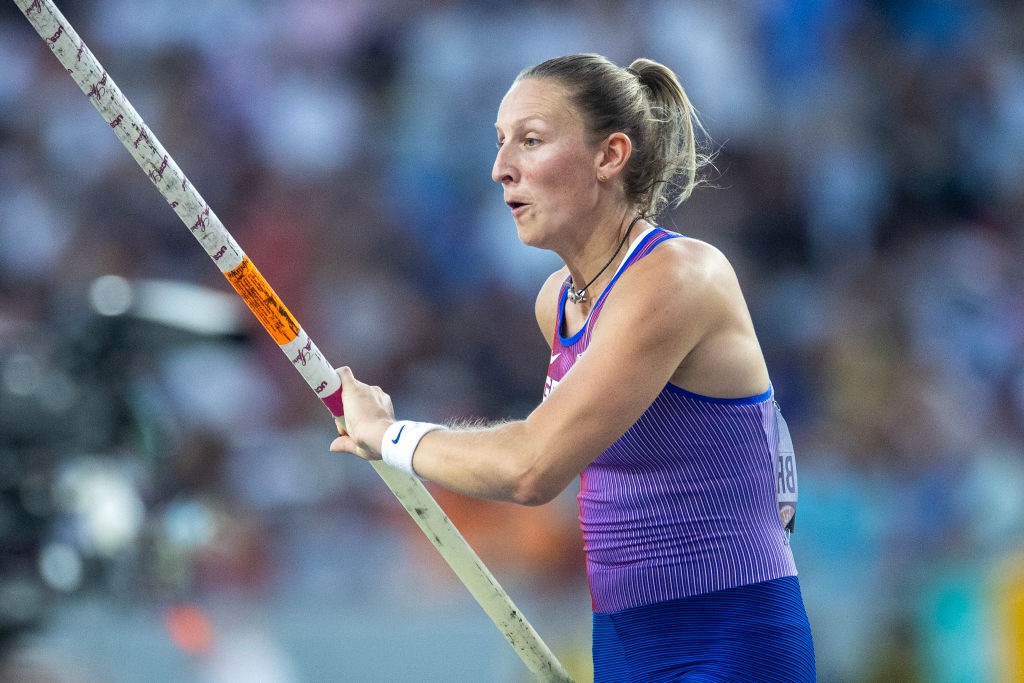
Most of a successful vault happens before the bar
Viewers often judge a pole vault by whether the athlete clears the bar, but much of the technical work happens before she leaves the ground. The speed of the approach, the final strides, the pole plant, and the takeoff position all shape what follows in the air.
A side camera running along the runway can capture those stages in one sequence. Commentators can then pause or replay the approach to explain the athlete’s rhythm and timing rather than relying on a close shot of the landing.
The same principle applies to high jump and long jump. A useful replay should help the audience understand how the athlete produced the result, not freeze the one part of the movement most likely to become an unwanted screenshot.
Serbian long jumper Ivana Španović also warned that lingering camera shots can have ‘serious long-term effects on athletes’ mental health’. The impact can continue after the event when clips are reposted, mocked, or turned into sexual content online.
“Certain camera angles, combined with gender stereotypes, not only cause discomfort for athletes and unnecessary distractions during competition,” Španović explained. Her comments place the issue alongside other concerns involving athletes’ mental health, including the pressure of competing while knowing that an awkward frame may attract more attention than the performance.